Author: Elissa Ware

Efficient Drain Cleaning Services From Experienced Plumbers

Professional Ranger Plumbing Company experts use a variety of techniques and technologies to address clogs and blockages effectively. These methods range from mechanical snaking and hydro jetting to chemical treatments.

Regular drain cleaning is a crucial maintenance service for businesses. It helps them maintain proper hygiene, avoid costly repairs, and comply with health and safety regulations.
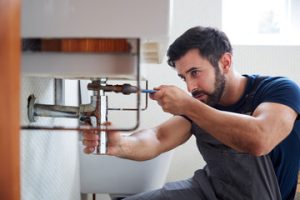
plumbing

Expertise

Drains and pipes are intricate systems that often experience problems that can only be resolved by experienced plumbing professionals. These technicians know how to effectively use a variety of tools to remove stubborn clogs and blockages from toilets, bathtubs, showers, and sinks. They can also diagnose and fix any underlying issues that may be contributing to these problems. For example, a clogged kitchen sink may result from food particles or grease accumulation, while a blocked bathroom drain is typically caused by hair clumps and soap residue.

One of the best ways to prevent drain clogs is to recognize the early warning signs and act quickly. Common symptoms include slow drainage, strange noises, and foul odors. Recognizing these signals can help you avoid more serious and expensive damage down the line.

In addition, you should consider implementing regular drain cleaning routines to ensure that your drains stay clear. This includes flushing your drains with hot water at least once per week and regularly clearing out strainers. You can also try using homemade drain cleaners instead of chemical ones. These solutions are biodegradable and won’t harm your pipes.

Finally, you can invest in an auger, which is a long, flexible rod that can reach deep into your pipes to dislodge even the most stubborn clogs. This tool is especially useful for clearing hard-to-reach areas such as behind toilets and in the basement.

Lastly, you can also opt for gas or air-powered drain cleaners, which are similar to pressure washers but are able to blast clogs out of your pipes at high speeds. These are ideal for removing difficult-to-reach blockages and can be a great alternative to chemical drain cleaners, which often have negative environmental impacts.

Advanced Equipment

Licensed plumbers have the equipment to handle a wide range of plumbing issues, including clogged drains and sewer lines. They use high-powered machines like water jets and hydro jetting to cut through and wash away stubborn blockages. They also have specialized drain cameras and acoustic listening devices to locate clogs and leaks in underground pipes. If your home has natural gas appliances, it will use carbon monoxide and combustible gas detectors to prevent safety hazards.

A gurgling or bubbling smell in your house is one of the most common signs that you need to call a professional for drain cleaning services. This buildup of toxins and waste in your pipes is unsafe for you and your family and will only get worse the longer you delay the process.

Getting your drains regularly cleaned can also reduce wear and tear on your pipes, extending their life. It can also identify any problems early and help you save money on costly repairs down the line. Professionals can use a press tool to create precise bends in copper and soft metal tubing without kinking or crimping.

Safety

Regular drain cleaning services help prevent blockages, overflows, and other damage. They also ensure that your plumbing system works efficiently, reducing the risk of expensive repairs and maintenance work. Clogged drains are a breeding ground for bacteria, dirt, and other contaminants that can affect indoor air quality. These pollutants can also pose health risks for your family and pets. By hiring a professional plumber to clean your drains, you can rest assured that they are fully cleaned and operating properly.

Using advanced tools such as video inspection systems, professional plumbers are able to diagnose and solve complex and stubborn clogs. These tools can also be used to detect any underlying issues, such as corrosion or leaking pipes. They can then offer comprehensive solutions that address the root cause of your clogs and resolve them for good. In contrast, DIY methods rely on basic tools such as plungers and drain snakes, which can only remove a small amount of debris and fail to tackle complex clogs.

Another safety measure that plumbers take is wearing the appropriate PPE and following the 3 C’s: consideration, caution, and care. This includes reading the applicable safety instructions and data sheets on the chemicals that they may be working with. They also make sure to wear protective gloves, a face mask, and eye protection when handling hazardous materials.

Foul odors caused by clogged drains can contaminate your building’s interior and lead to poor air quality for employees and customers. Regular commercial drain cleaning eliminates these odors, resulting in a fresher and more pleasant environment. Clean drains also reduce water pressure, preventing overexertion and premature wear on your plumbing system’s pipes and fixtures.

Time Efficiency

Clogged drains and sewage backups are disruptive for homes and businesses, and they require immediate attention. Professional plumbers have the tools, equipment, and training necessary to clean pipes quickly and thoroughly. They also prioritize safety and follow strict protocols, ensuring that their work is done correctly the first time.

Plumbing experts encounter a wide variety of drainage problems daily, giving them extensive experience in dealing with clogs and blockages of all types. This enables them to identify the root cause of a problem and implement solutions that are tailored to the unique characteristics of each system, minimizing damage to plumbing infrastructure and the environment.

Dedicated professionals understand how to effectively use advanced techniques like hydro jetting, mechanical drain augers (or snakes), and camera inspections to clear stubborn clogs and keep pipe walls healthy. They also provide preventative maintenance services to help homeowners avoid costly emergency repairs in the future.

When choosing a drain cleaning service, opt for one that offers a transparent service agreement and warranty. These details will help you to determine whether the provider is a legitimate and reliable choice. Moreover, it is important to choose a service that provides eco-friendly and safe products instead of chemical drain cleaners. Regularly using biodegradable drain cleaners can reduce the build-up of hair, grease, soap scum, and other residues in pipes and keep them functioning optimally.

Clogged drains in food service establishments can emit foul odors that affect the dining experience and create unappetizing working conditions for employees. Regular drain cleaning services help businesses maintain hygiene standards, avoid expensive repairs, and comply with health and safety regulations. Additionally, they extend the lifespan of drain systems and enhance operational efficiency.

Preventative Maintenance

Drains and sewer lines inevitably get clogged over time, and they should be cleaned regularly to prevent serious problems from arising. Plumbing professionals know what to look for and can catch any potential issues early on. This allows them to repair them before they turn into major repairs or even a total pipe replacement job.

In addition to the fact that clogged drains are costly to repair, they can also cause a lot of damage to your home’s plumbing system and even your health. When debris like hair, dirt, and grime builds up in your pipes, it can lead to a blockage that stops water from flowing through properly. This can result in flooded bathrooms, overflowing toilets, and more. Clogged drains can also allow sewage, bacteria, and other contaminants to make their way into your home, which poses a major health risk for you and your family.

Clogged drains and sewer lines are usually caused by food particles, cooking grease, and those so-called “flushable” wipes. Many homeowners choose to use commercial drain cleaners to solve the problem, but these chemical products can actually damage your piping and make the clog worse over time. Professional plumbers can safely and quickly clear away all clogs, leaving your pipes fully functional.

If you have noticed that your drains are running slowly, or if you’re noticing a foul smell wafting through your home, it may be time to call for professional drain cleaning services. Our team is available 24/7, so we can always provide you with prompt and efficient service. Call us today to learn more about our drain cleaning services and how we can help you keep your home’s plumbing systems working properly for years to come.

Six Ways Plumbers Detect Hidden Leaks

Hidden leaks can lead to wood rot and other structural damage in your home, as well as creating health hazards from mildew and mold. Early detection can save you costly repairs and water bills.

Look for dampness, discoloration, and musty odors to identify a hidden leak. Also, monitor your water meter to notice any unexplained fluctuations. Contact Plumber Denton Texas to learn more.

Acoustic Leak Detectors

Plumbers

Water damage is one of the most destructive problems a property owner can face. When left unaddressed, it can lead to rotten beams and floor joists, mold infestations, and high utility bills. Historically, homeowners had to wait for these disasters to surface before taking action, but modern technology helps them avoid costly, disruptive repairs.

Acoustic leak detection uses specialised sensors to listen for the sound of water escaping from pipes. The sensors can locate the source of the leak, even beneath concrete slabs and behind walls. The system also identifies the type of leak, whether it’s a pinhole or more substantial breach.

The sensor is placed against the wall or floor, and the noise of escaping water is amplified through headphones. Your licensed plumber can hear the changes in frequency and pinpoint the source of the leak. The process is less invasive than traditional pipe inspection methods, which require excavation and structural damage to assess the health of a plumbing system.

Another non-invasive method of hidden leak detection is thermal imaging. A plumber can use this technology to identify a variety of signs that indicate the presence of a leak, including moisture patterns and temperature variations. It’s especially useful for older homes in University Park, as it allows plumbers to inspect walls and flooring without disturbing a single square inch of the property’s historic architecture.

Other tools that help locate hidden leaks include moisture meters and special sensors. These can detect elevated moisture levels in drywall and wood, which signals the presence of a leak. A plumber can then confirm these findings by using other testing methods. Ultimately, these tools enable a plumber to find and repair a hidden leak before it causes serious damage to your home or business.

Thermal Imaging

A thermal imaging camera scans the surface of walls, ceilings, and floors to identify moisture and hidden leaks. This non-invasive tool shows plumbers a visual representation of temperature differences in materials, making it an invaluable asset in finding water leaks in hard-to-reach places. Water leaks tend to absorb heat differently from surrounding materials, causing them to appear as hot or cold spots on a thermal image. Plumbers can also use this technology to detect the origin of a leak by observing moisture patterns that form around leaking fixtures.

Concealed leaks can cause severe damage over time, and identifying them early is critical to saving money and minimizing the impact of the problem. Some signs of hidden leaks to look out for include unexplained increases in utility bills, water stains on the ceiling or floor, musty odors, and warped or bubbling paint. Identifying these issues promptly can help avoid expensive repairs and restoration costs, as well as the health hazards that come with mold and mildew growth.

Using advanced tools like audio listening discs, video pipe cameras, soil probes, and thermal imaging cameras, plumbers can find the source of hidden leaks even in hard-to-reach areas. These advanced detection methods allow plumbers to locate leaks beneath floors, in walls, and in other inaccessible areas without tearing down entire sections of the home.

In addition to detecting leaks, these technologies can be used to inspect other parts of the plumbing system for damage or wear. For example, a thermal image can show plumbers where insulation is worn down or loose, which may indicate that the pipes aren’t properly insulated. These tools can also be useful in electrical inspections, allowing technicians to spot overheated components and areas of potential fire hazards.

Dye Testing

Dye testing is a quick, cost-effective way to pinpoint leaks without the need for major disruption. It works by introducing non-toxic, water-soluble dye into the affected system. The plumber then monitors where the dye appears, allowing them to trace the path of a leak from start to finish–without breaking walls or cutting up pipes. This method is particularly useful for identifying hidden leaks in drainage systems, toilets, roof gutters, and other areas that aren’t readily accessible to the naked eye.

The precise application and interpretation of dye tests are essential to success. Professionals utilise high-quality, non-toxic, biodegradable dyes that are safe for the environment and non-irritating to aquatic life. They also follow a meticulous process to ensure accurate results and identify any improper drain connections or blockages.

During a typical dye test, the plumber first inspects the affected system to determine its location and which fixture or section of pipe to target. They then run the system to circulate the dye through all passages and components, then observe where the dye lands to pinpoint the exact leak site. This process can take anywhere from 30-60 minutes, depending on the size and complexity of the system in question.

For this reason, dye testing is typically reserved for gravity-fed systems like drains, sewers, and rainwater systems. For pressurised plumbing like water supply lines, other techniques like pressure testing or acoustic listening devices might be more appropriate. Regardless of the specific type of system involved, dye testing is often mandated by local regulations and is an important component of responsible property maintenance. It protects the environment, safeguards property value, and prevents future liabilities resulting from undiagnosed drainage problems.

Pressure Testing

Water leaks are a common problem that can cause major damage to your home or business if they go unnoticed. Hidden leaks can lead to rotting wood, mold growth, increased utility bills, and structural issues in your building. To avoid these problems, it’s essential to hire professional plumbers who use proven leak detection techniques. The six methods below – visual inspection, pressure testing, thermal imaging, acoustic detection, dye testing, and video pipe inspection – can help identify and repair hidden leaks before they cause costly damage.

One of the most popular methods for detecting leaks is using a high-powered water pressure tester. This device uses a high-pressure pump to increase the volume of water in a specific part of your plumbing system. This helps locate the source of the leak and can save you money on your monthly utility bill.

Another way to detect a hidden leak is by using a sewer camera. This device is attached to a flexible tube that can be snaked through your pipes and into the sewer system. The camera’s lens shows a live image of the inside of your pipes, which makes it easy for plumbers to spot leaks and other problems.

For more precise leak detection, plumbers can use hydrostatic pressure testing. This method involves sealing a section of your plumbing and introducing air or another gas under pressure. Since air escapes more slowly than water, this technique can help pinpoint the location of a hidden leak by watching the pressure gauge.

This test can also be used on plumbing fixtures and appliances in your home or business. The process is typically less expensive than other tests and can be performed on-site. Plumbers can even use this method on outdoor plumbing, such as hose spigots and swimming pool pumps.

Video Pipe Inspection

Video pipe inspection is a powerful tool for plumbers to use, but it’s often used in conjunction with other methods. It allows a plumbing professional to see inside pipes and the condition of their seals, connectors, and piping. It also reveals obstructions that can cause clogs and blockages. It helps plumbers know whether a new liner is feasible or if the pipe needs to be replaced entirely.

Similar to an endoscopy or colonoscopy, a camera inspection involves inserting a waterproof camera into a pipe or drain. This gives the plumber a direct view of the pipe and surrounding area, which can help them identify problems quickly. It also eliminates the guesswork that comes with traditional leak detection methods.

Many times, a simple visual inspection isn’t enough to find a leak. Leaks can be hidden behind walls or underneath floors, and it’s difficult to tell where a problem originates. Tools like tracing dye or smoke can help, but they’re not as accurate as a video inspection.

Using a camera inspection can save homeowners time and money in the long run. It skips the messy process of tearing apart floors and walls, and can be done much more quickly. It also helps plumbers make more accurate diagnoses, which can lead to faster and more affordable repairs.

Regularly performing a video inspection of your home’s plumbing system can help keep it in good condition. It’s especially important for older pipes that are more likely to corrode and break down over time. In addition, a camera inspection can uncover obstructions like grease, soap scum, or hair that can build up and restrict water flow, causing clogs and blockages.

Navigation